
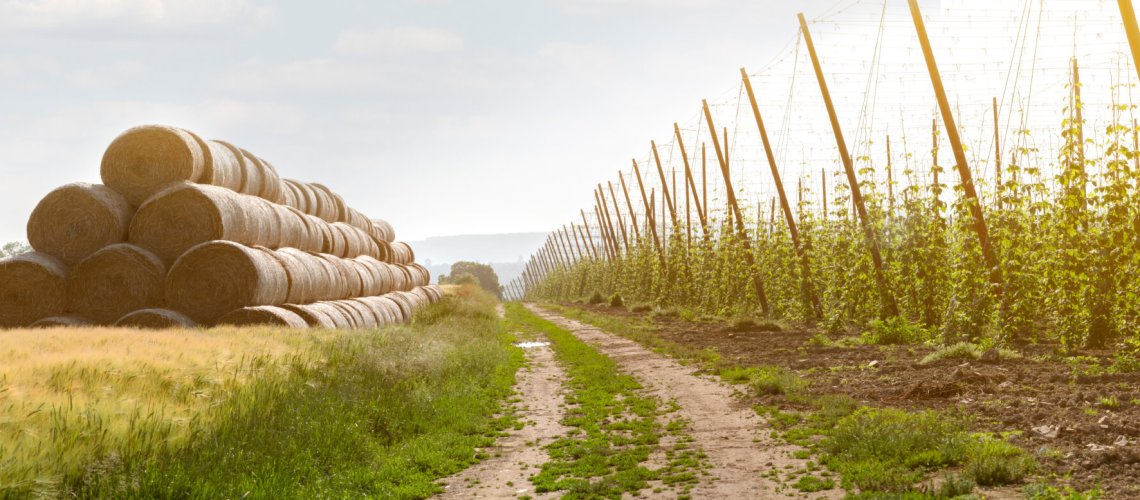
Hay Aroma in Hop Varieties: When Beer Smells Like a Barn Party
The world of hops brings many exciting aromas to your beer, from tropical fruits to pine needles. Among these scents lies a unique and sometimes unexpected note: hay. When you smell hay in your beer, you might wonder if something went wrong.
And you’d be right to question it.
The hay aroma in hops often signals less-than-ideal handling or aging. Showing up sometimes in English varieties like Fuggle. Think of it like finding a farm in your glass. It’s not exactly what most brewers aim for when crafting their perfect pint.
You might spot this grassy character in some traditional European hop varieties too.
While some hop farmers and brewers work hard to minimize these hay-like notes, others embrace them as part of their beer’s rustic charm. It’s like the difference between a perfectly manicured lawn and a wild meadow.
Both have their place in the right setting.
Key Takeaways
- Hay aromas typically indicate aged or improperly stored hops
- English hop varieties are most likely to display hay-like characteristics
- Fresh hops showcase different aromatic qualities than their hay-scented counterparts
Hop Varieties With Hay Flavors And Aromas
You’ll find hay-like aromas in several traditional hop varieties. Though most brewers try to avoid this characteristic. Think of it as the flavor equivalent of finding actual hay in your beer – not exactly what you’re aiming for!
Fuggle hops are the most notorious hay-flavor offenders.
These classic British hops can bring a low hay note, along with earthy and woody undertones. Don’t worry though – when used properly, they can still make your beer taste great.
Willamette, a Fuggle descendant, can also carry a subtle hay character. But you’ll get pleasant herbal and floral notes that can work well in your English-style ales.
Here are some other varieties that might surprise you with their hay-like qualities:
- Tettnanger: herbal, floral
- Hersbrucker: floral, spicy
- East Kent Goldings: spicy, herbal
The key to working with these hops is timing. Adding them late in the boil or dry hopping will minimize those hay flavors while keeping the good stuff. Your best bet is to blend them with other varieties to create more complex aromas.
Pro tip: If you’re worried about hay flavors, stick to modern hop varieties like Cascade, Amarillo, or Simcoe. These hops focus more on citrus, pine, and tropical fruit notes that your taste buds will probably prefer.
But do you really want to miss out on classics?

Damian
A lifelong learner, hop enthusiast and a lover of the state of extreme exhaustion.
Finance Analyst in the Investment Bank and co-founder of hopsmatcher.com
